Appearance agreed before tooling
- Visible and concealed surface zones
- Color, gloss and texture samples
- Parting lines and gate positions
- Acceptance and viewing conditions


Keep the approved appearance and final assembly fit working together
01 · Engineering support
A cosmetic surface is a manufacturing requirement that needs its own definition. Mark the areas your customers will see and agree the color, texture, gloss and viewing conditions using a physical sample. Review where the gate, parting line and ejector marks can be placed without creating avoidable finishing work. A cast surface and a machined aluminum sample may respond differently to the same finishing route. Where anodizing is considered, check the alloy and a representative sample before committing to the expected appearance. That decision belongs early in development.
Discuss your requirements
02 · Engineering support
The gap between a cover and its mating body reflects several features working together. Review locating surfaces, mounting bosses, wall transitions and the contribution of finishing before setting the final inspection plan. Use the condition in which the part will be assembled, rather than inspecting every feature only before coating. A matched sample or a defined assembly check can help connect measured dimensions to the appearance the customer will see. The drawing should make clear which interfaces control the fit and which surfaces are primarily cosmetic.
Discuss your requirements
03 · Engineering support
A part can leave finishing in good condition and still arrive scratched or marked. Agree how visible surfaces will be separated, supported and handled, including the contact points created by trays or individual protection. The packing sample should be reviewed with the finish sample so there is one definition of an acceptable delivered part. For product families, keep the approved appearance references for matching components together. Repeat production can then be checked against a shared standard for both appearance and delivery condition, rather than a photograph alone.
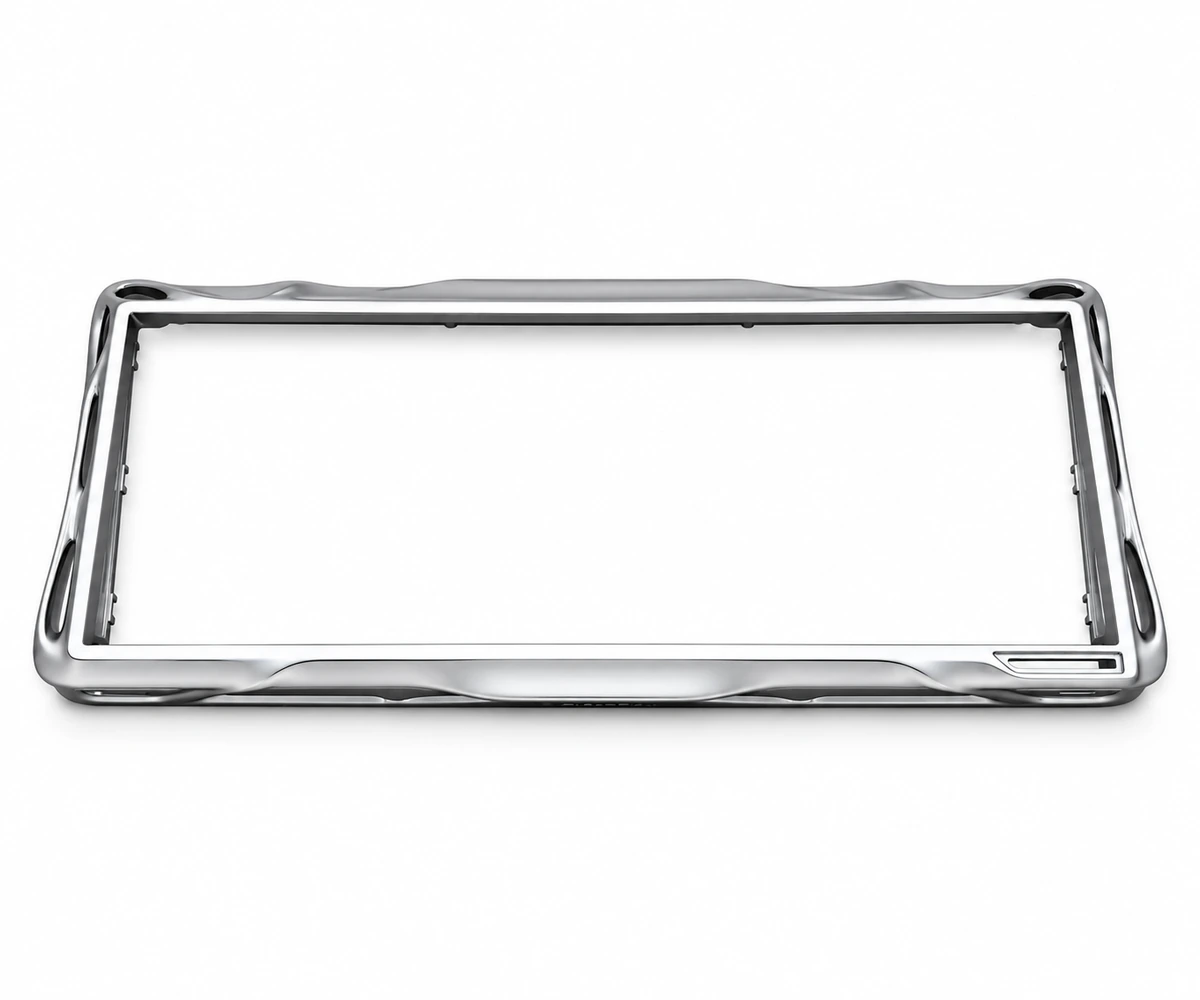
Discuss your requirementsKeep the visible finish and the assembled fit in the same review. Compare decorative bezels, device enclosures and internal frames against the finished product interfaces.
Frame a visible opening with a controlled surface appearance.
Review: Cosmetic zones · finish sample · witness-mark locations
Explore this part family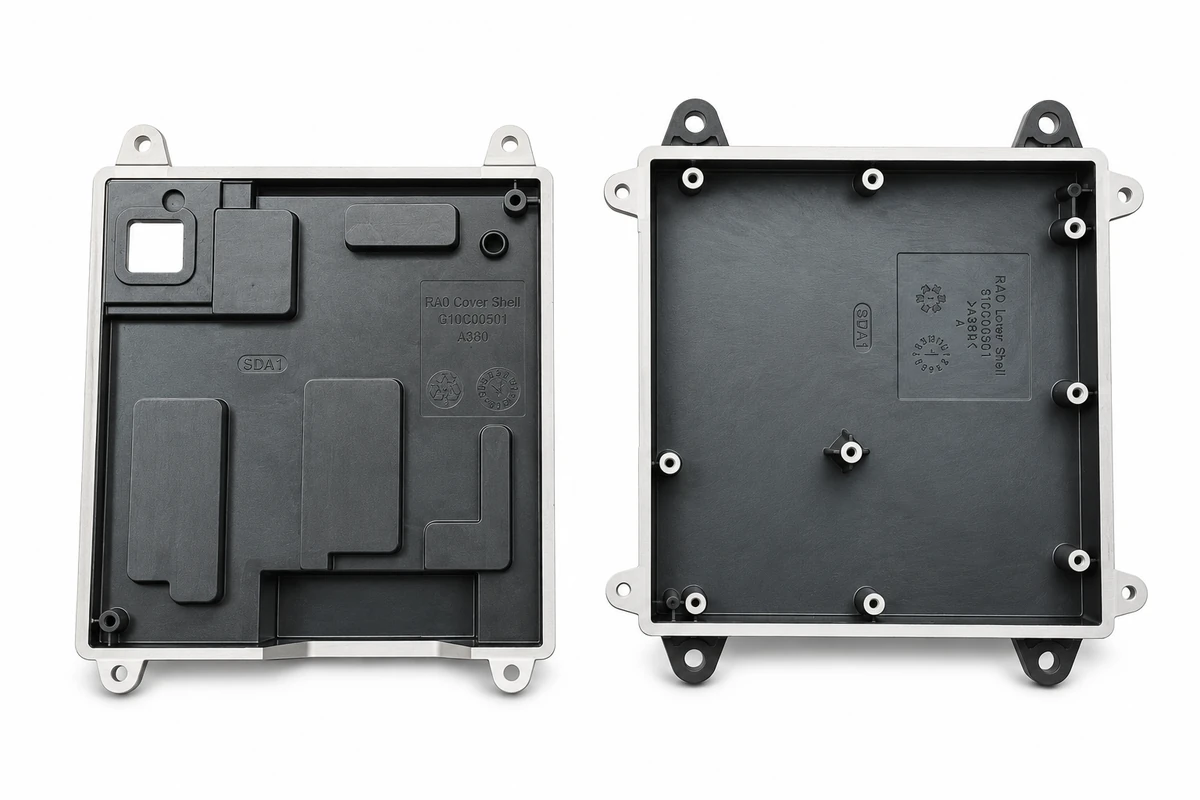
Provide component space, cover interfaces and attachment points.
Review: Cover gaps · wall support · final dimensions after coating
Explore this part family
Locate internal modules and maintain installation clearances.
Review: Boss positions · board clearance · fastener access
Explore this part familyRepresentative component illustrations. Final geometry, alloy, finish and acceptance criteria are reviewed against your drawing and application.
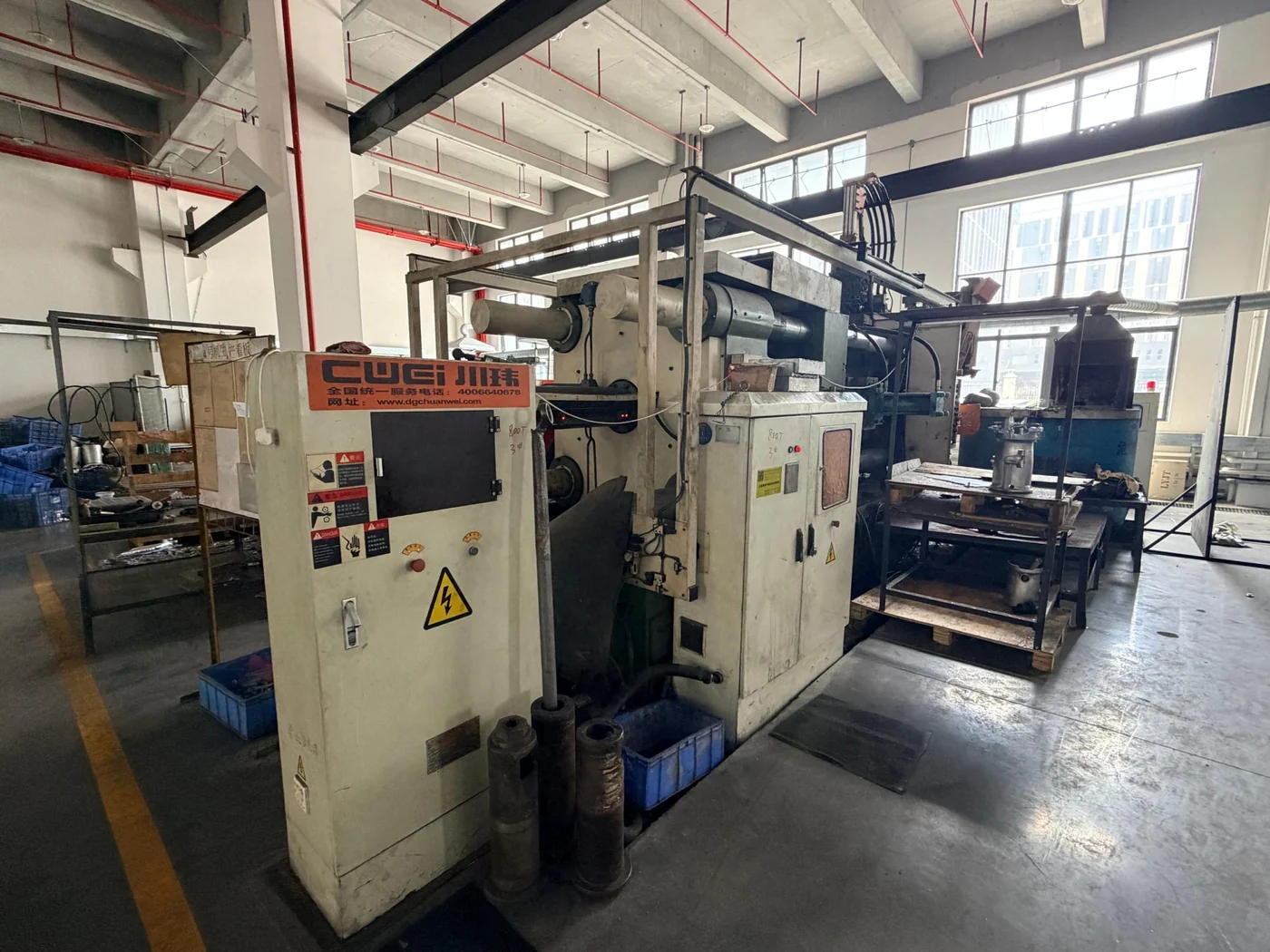
Coordinate the casting and secondary operations around the part you need to receive. The drawing, operating requirements and final delivery condition guide the manufacturing route.
Review tooling, critical interfaces, surface requirements and inspection before production.
Get in touchZinc can be a candidate for detailed compact parts and decorative finishes; aluminum can suit housings and thermal structures. Alloy composition affects finishing appearance. Assess high-silicon cast aluminum separately when an anodized appearance is requested.
| Material or route | Typical consideration | Confirm for your project |
|---|---|---|
| Aluminum die casting | Housings, structural features and thermal components | Alloy grade, functional geometry, temperature and secondary machining |
| Zinc die casting | Compact detailed parts and suitable decorative applications | Mass, sustained load, service temperature and finish compatibility |
| Machined interfaces | Holes, mounting faces, threads and sealing features | Datums, tolerances, surface condition and measurement method |
| Surface finishing | Appearance and environmental protection | Approved sample, coating-free areas, final fit and applicable tests |

Review appearance samples, preparation, masking and the surfaces that must retain a functional fit. Define the relevant test conditions and acceptance criteria with the part requirements.
Review material and finish requirementsConnect each project requirement to the manufacturing step and evidence needed to confirm it.
Identify the functional features and agree how they will be checked against the drawing.
Keep the requirements and approved references available at the relevant project stage.
Review the operation and setup around the interfaces that affect your assembly.
Define what must be protected, finished or checked in the final delivered condition.
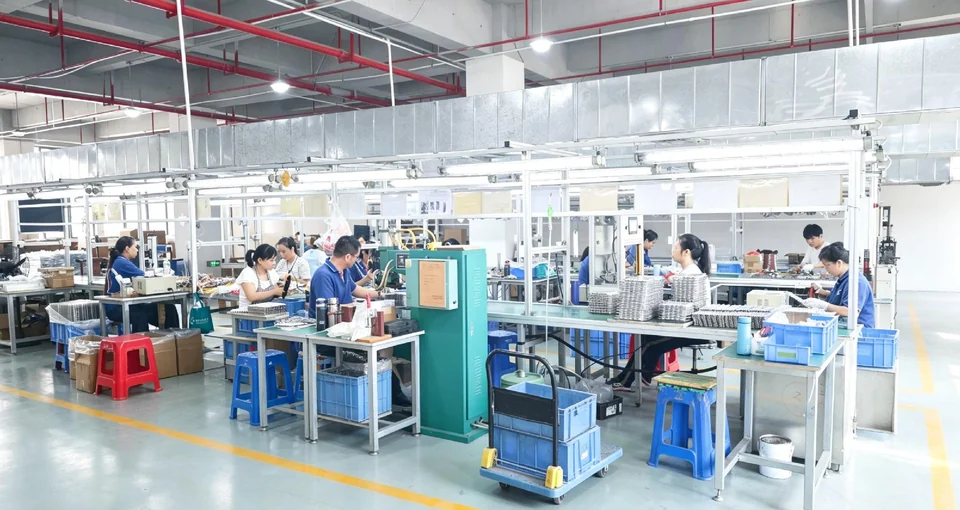
Confirm the part, sample or assembly inputs required for the agreed verification.
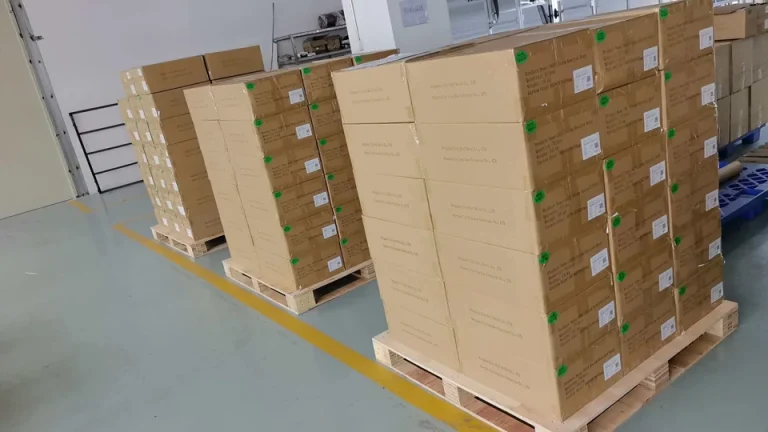
Match handling and packing to the geometry, surface and next assembly operation.
The inspection scope, records and delivery requirements are agreed for the specific part and its intended use.