The mounting scheme
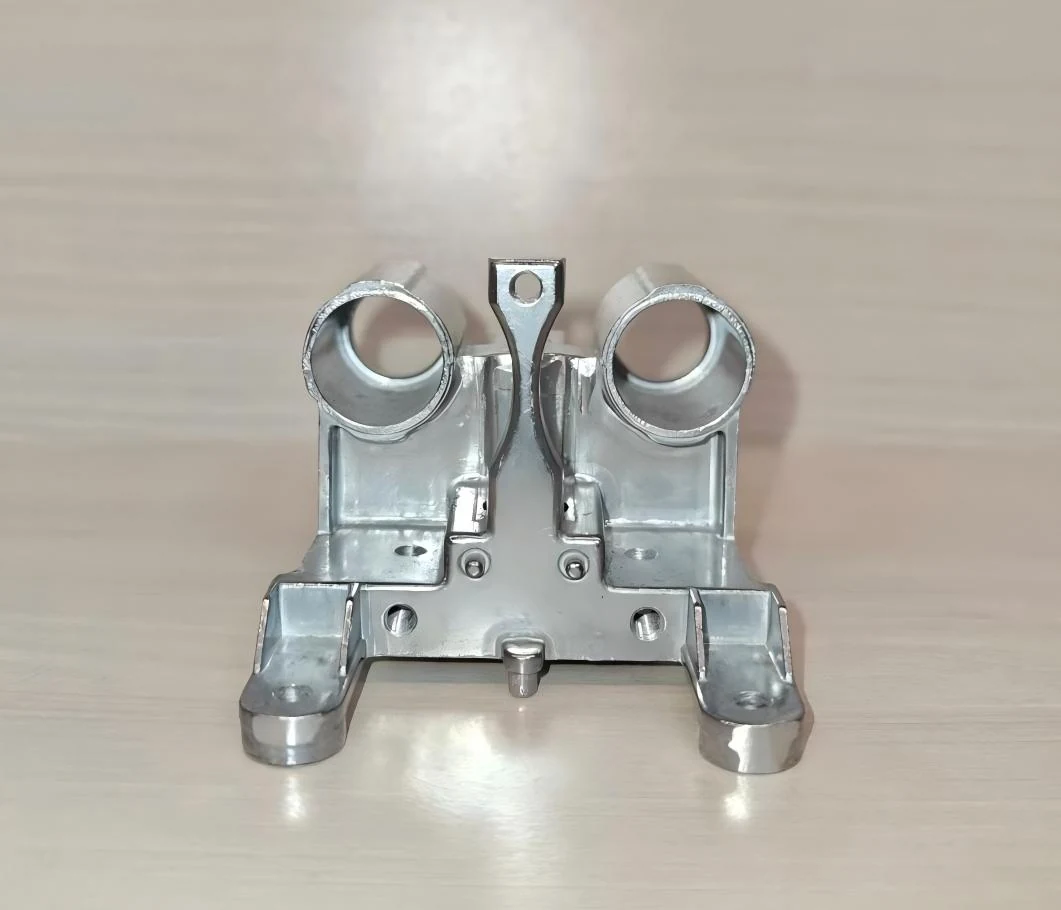
Show the fixed and adjustable interfaces, assembly direction and datum references. Hole position and face relationships should follow the actual installation.

Custom mounting brackets
Custom cast and machined brackets with controlled mounting interfaces, finish and delivery requirements for OEM equipment and assemblies.
Function before form
Show the fixed and adjustable interfaces, assembly direction and datum references. Hole position and face relationships should follow the actual installation.
Review local thick sections and abrupt geometry changes with the casting process. Define required strength through design inputs and validation, not appearance alone.
Specify useful thread engagement, counterbores and access. Include the effect of coatings and any inserts in the final condition.
Design context
Loading direction, vibration, temperature and fastening conditions influence whether a design is suitable. We manufacture against an agreed specification; an image or a nominal material grade is not a load rating. Share the operating conditions and identify who owns structural validation.

Manufacturing evidence
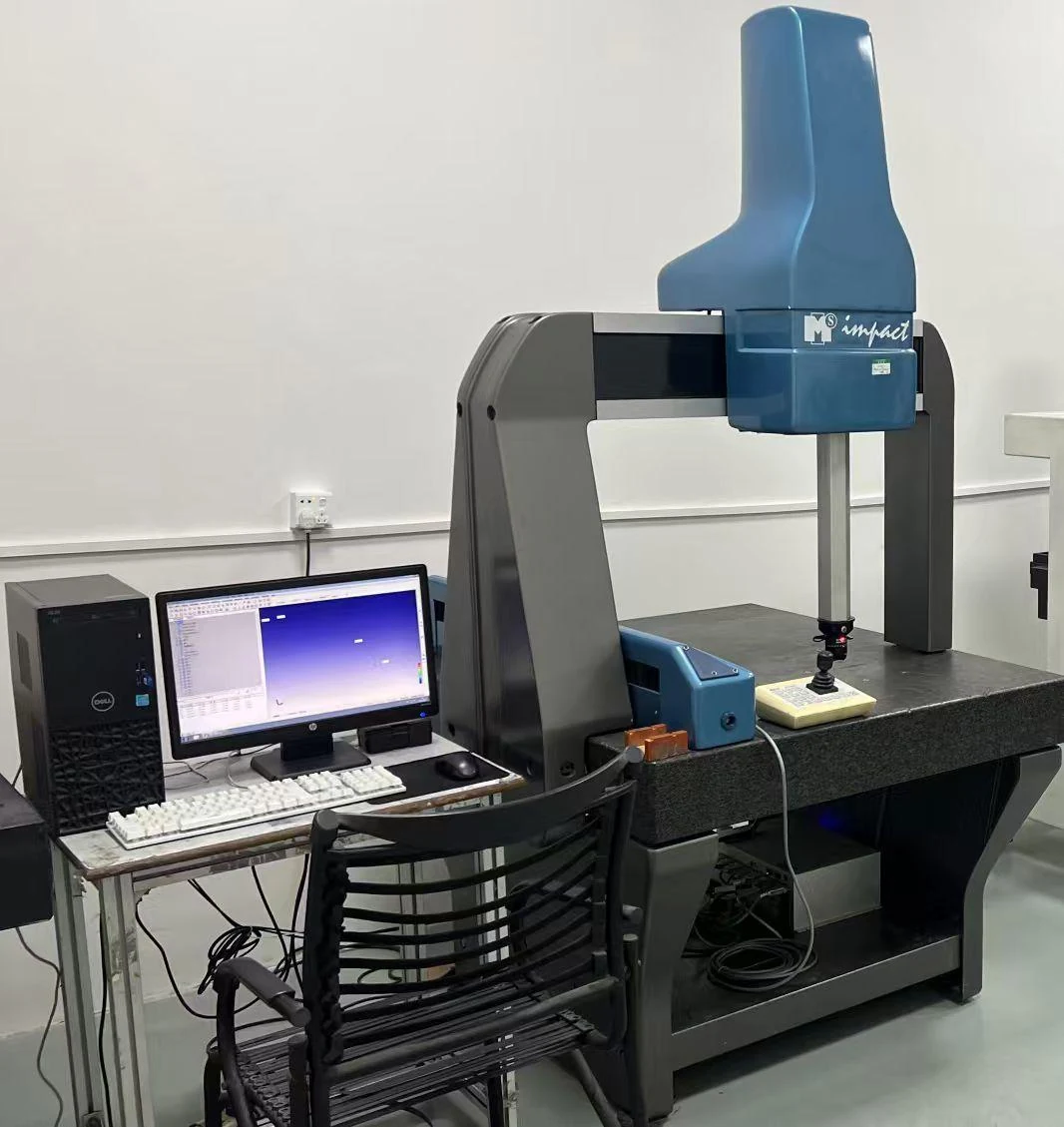
Material, mounting datums, hole relationships and finished surfaces are checked against the agreed component specification. Structural performance is validated for the application.
Part acceptance / Application validation
A bracket can meet every dimension and still need application testing. Define the manufacturing evidence and the structural validation separately, then connect both to your release decision.
Confirm the material specification, datum relationships, hole position, threads, finish and any assembly hardware. Agree inspection records for the characteristics that locate the bracket.
Define load direction, mounting conditions, vibration, temperature and service life where relevant. Identify who provides analysis, testing and approval for the assembled application.
For a machined-to-cast redesign, review tooling investment, annual volume, geometry changes and remaining machining before comparing unit prices.
Specify the delivery
| Decision | Available discussion | What to confirm |
|---|---|---|
| Integrated cast features | Supports, ribs and feasible bosses | Material, geometry and tooling approach. |
| Machined mounting faces | Controlled position, orientation and contact | Datum system and critical characteristics. |
| Protective finish | Preparation and selected coating | Service environment and masked contact points. |
| Assembly-ready supply | Hardware or agreed mating components | BOM, torque specification and pack-out. |
A load rating requires defined conditions, analysis or testing and an agreed responsibility. It is not inferred from a generic casting capability.
Potentially. Compare tooling cost, annual demand, geometry changes and final machining requirements. We can review a casting route without assuming it is always the lower-cost choice.
It can. Identify contact faces, hole fits and threads, then agree masking or post-finish machining where required.
Keep exploring
Your next component
Custom manufacturing starts with your application and drawing. Share the available information and the delivery condition you need.