Skip to content
MSdean
Contact Us

Heat-dissipation parts

More than fins.
A complete thermal interface.

Custom finned components and thermal housings with casting, mounting features and machined contact surfaces coordinated for your product.

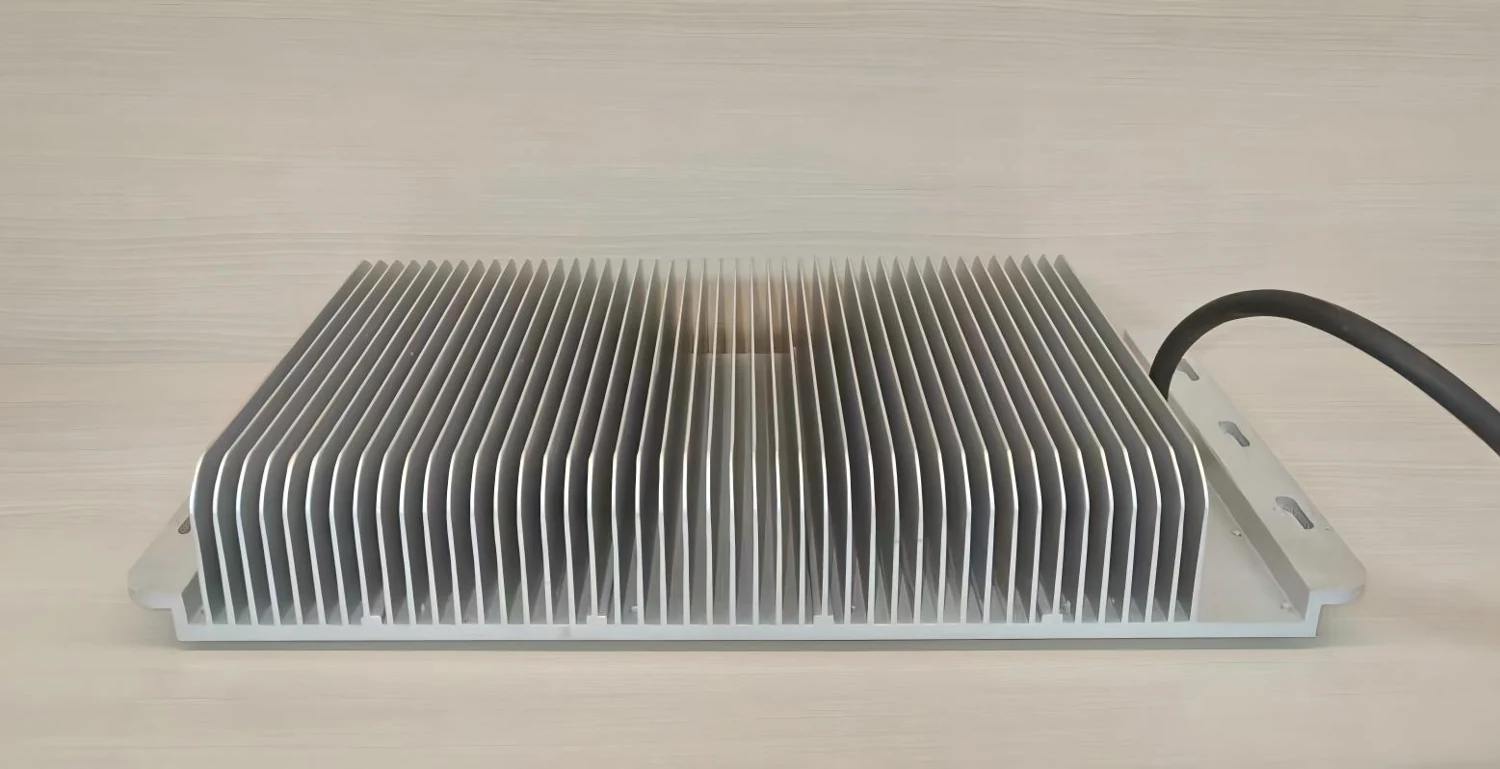
Aluminum finned component photographed on a wooden table

Review the complete path

Source. Contact. Body. Environment.

01

Heat source

Define the power input and operating conditions.

02

Contact

Specify the mating face and interface material.

03

Component

Review alloy, geometry and mounting features.

04

Environment

Identify airflow, orientation and performance tests.

Function before form

Three conversations that shape the part.

01

Heat input and contact

Define the heat source, contact area, flatness, finish and interface material. The contact path can matter as much as the outside fin geometry.

02

Fins and tool access

Review fin depth, spacing, draft and release direction. A visually dense fin array needs a feasible tool and filling route.

03

Mounting and finish

Integrate fastener patterns and identify masked conductive or contact areas. State the coating and environment rather than relying on color alone.

Design context

Choose the process around the whole part.

Extrusion, machining and die casting offer different design opportunities. Die casting may help integrate mounting and complex form, but the choice still depends on alloy performance, tool access, volume and secondary operations. Confirm thermal performance in the actual operating configuration.
  • 3D model, mounting drawing and contact-face specification
  • Heat input, airflow / orientation and performance target
  • Alloy, finish, forecast and validation method
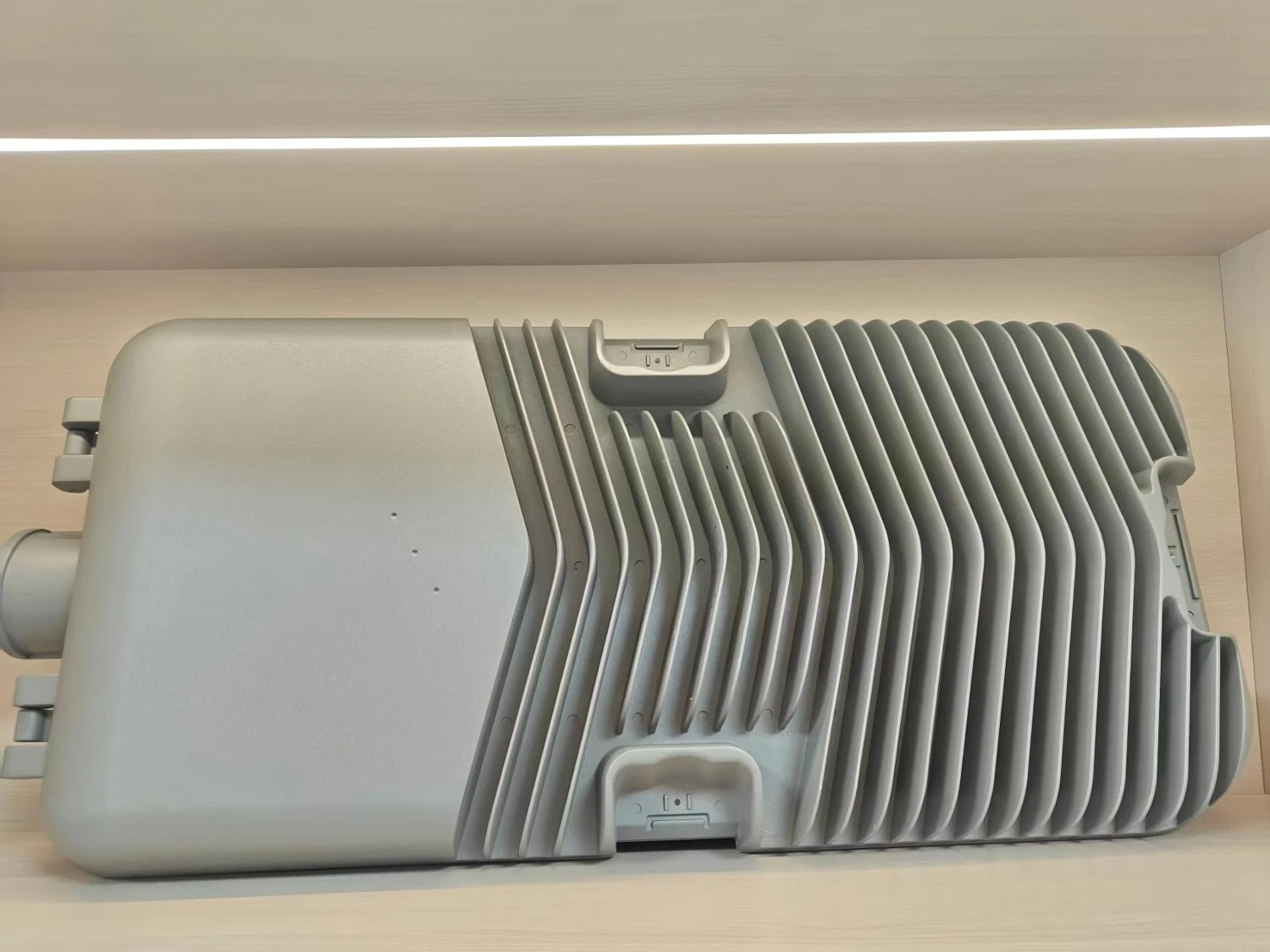
Finned metal housing from the MSdean product collection

Specify the delivery

Build a complete manufacturing scope.

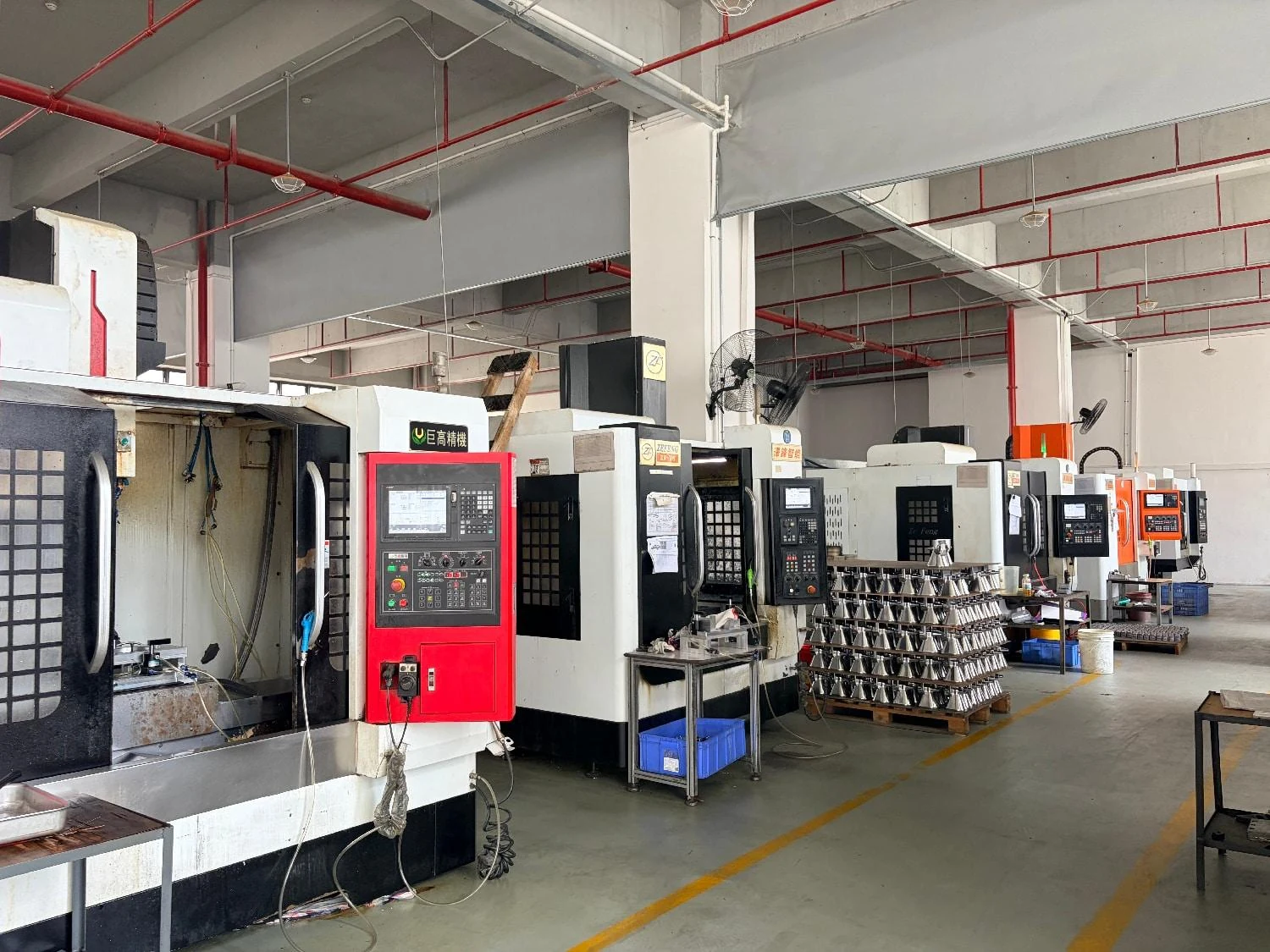
CNC machining equipment in the MSdean workshop
DecisionAvailable discussionWhat to confirm
Die cast configurationIntegrated fins, bosses and complex mounting geometryTooling investment and production volume.
Material gradeAlloy-specific properties and castabilityDo not substitute wrought-aluminum thermal data.
Contact-face machiningFlatness and surface condition to the drawingMeasurement reference and acceptance method.
Finished assemblyHousing, mounting and related partsSystem testing and scope of supply.

Project questions

Before production.

View all manufacturing FAQs
Will an aluminum casting perform like a pure-aluminum extrusion?

Do not assume equivalent properties. Compare alloy-specific data, geometry and actual operating conditions; the manufacturing route is part of the thermal design.

Can you make very thin, tall fins?

Feasibility depends on geometry, alloy, filling and tool release. Submit the model for review instead of applying a universal minimum thickness.

Do you provide thermal testing automatically?

Define the required tests and responsibility in the project scope. A dimensional inspection report does not verify thermal resistance.

Discuss your project

Share your part drawing, material and expected quantity.

Portfolio preview. This form is for demonstration only.

The details you provide will be used to respond to your project inquiry.