The finish starts with the casting
- Visible faces and parting lines
- Gate and ejector mark locations
- Substrate and preparation requirements
- Color, gloss and texture references


Make appearance, installation fit and service conditions part of the same specification
01 · Engineering support
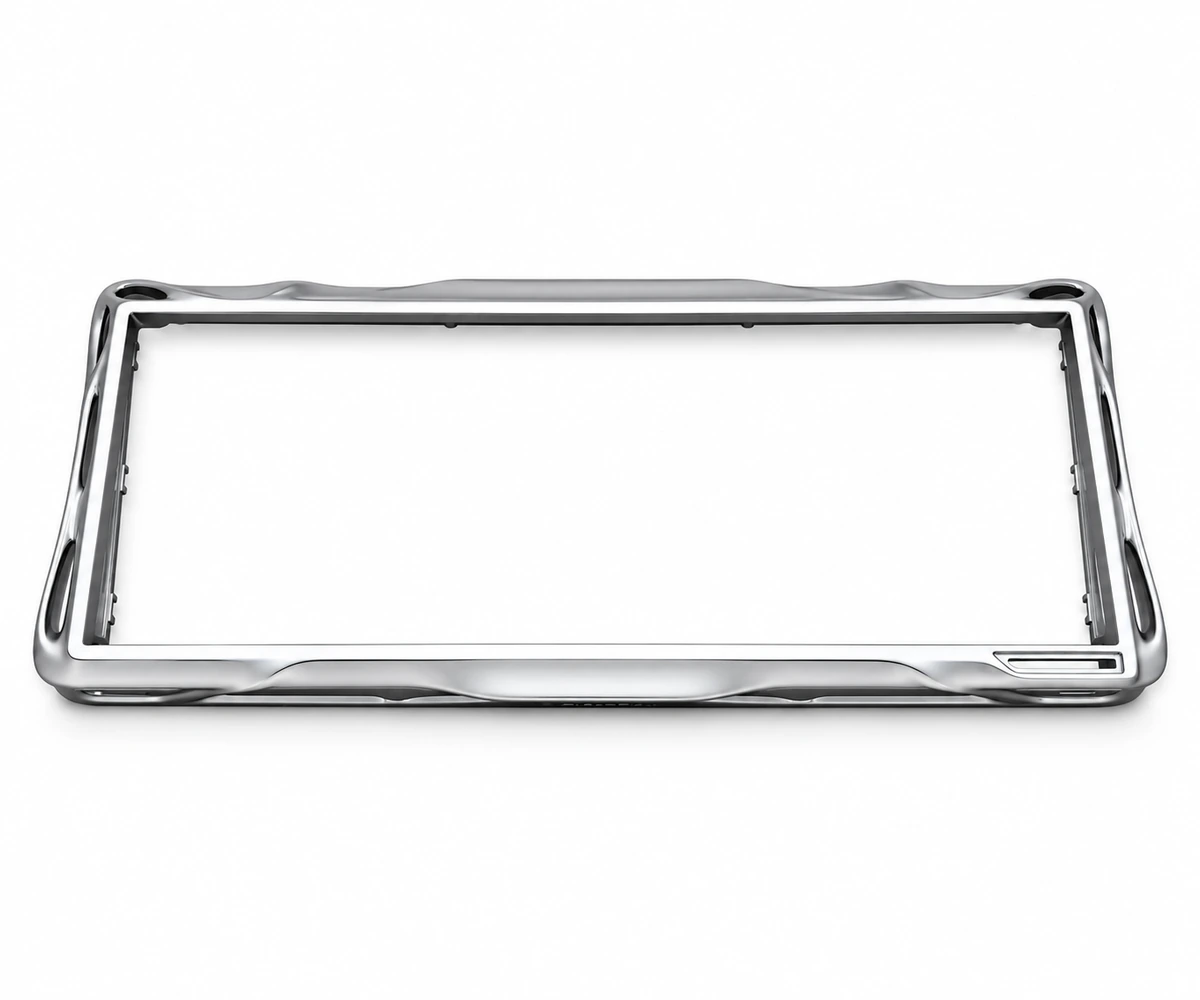
Decorative plating or painting starts with the surface underneath it. Review the visible areas, texture, edges and locations of casting witness marks before the die is finalized. Agree which preparation steps are needed and approve a representative finish sample on the actual alloy. For a handle and matching plate, assess the parts as a set under the same viewing conditions. This connects casting quality to the appearance your customer expects, and gives production and inspection a practical reference for judging the finished components.
Discuss your requirements
02 · Engineering support
A lock housing or handle component needs to fit and move correctly in its finished condition. Review the shaft interfaces, locating holes, threaded joints and any surfaces affected by coating thickness. Use the mating components or an agreed functional check when dimensional inspection alone does not describe the assembly. Where a part carries load or must survive repeated operation, define that validation separately with the relevant mounting and service conditions. A component inspection record should make clear which fit, movement and load requirements it actually covers.
Discuss your requirements
03 · Engineering support
An indoor handle, a bathroom fitting and exterior hardware can face different exposure conditions. Define the intended environment and finish system before selecting corrosion verification. The test request should state the sample, method, duration and acceptance criteria, rather than only a number of hours. Salt spray results can help assess specified coatings, but they are not a direct promise of years in service. Keep the test record connected to the exact alloy, surface preparation and finish used for the production parts you approve.
Discuss your requirementsReview the decorative surface, installation fit and service environment for each hardware component. Match finish references and fit checks to the final delivered condition.
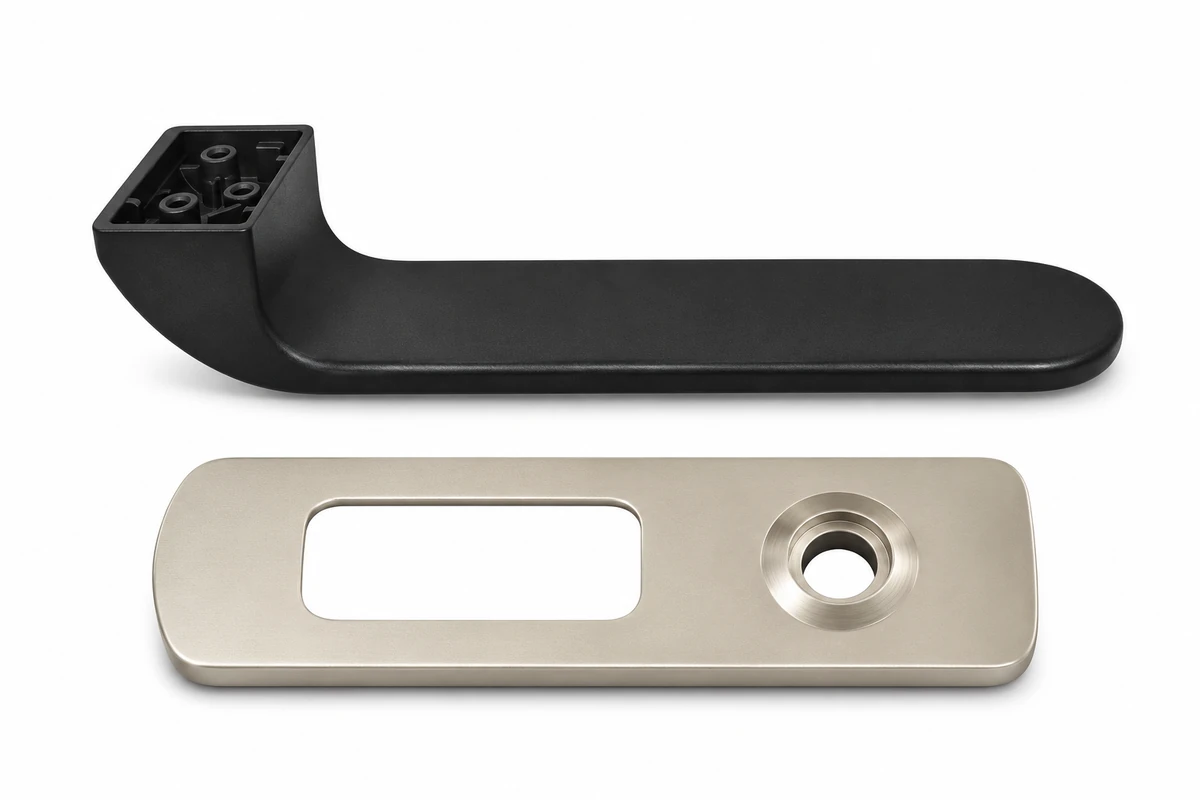
Combine a user-contact surface with lock and installation interfaces.
Review: Finish consistency · shaft fit · applicable load and cycle checks
Explore this part familyProvide a visible perimeter or cover around a hardware opening.
Review: Visible edges · color and gloss · coating buildup at interfaces
Explore this part family
Connect a hardware component to its mounting arrangement.
Review: Hole positions · load direction · corrosion and finish requirements
Explore this part familyRepresentative component illustrations. Final geometry, alloy, finish and acceptance criteria are reviewed against your drawing and application.
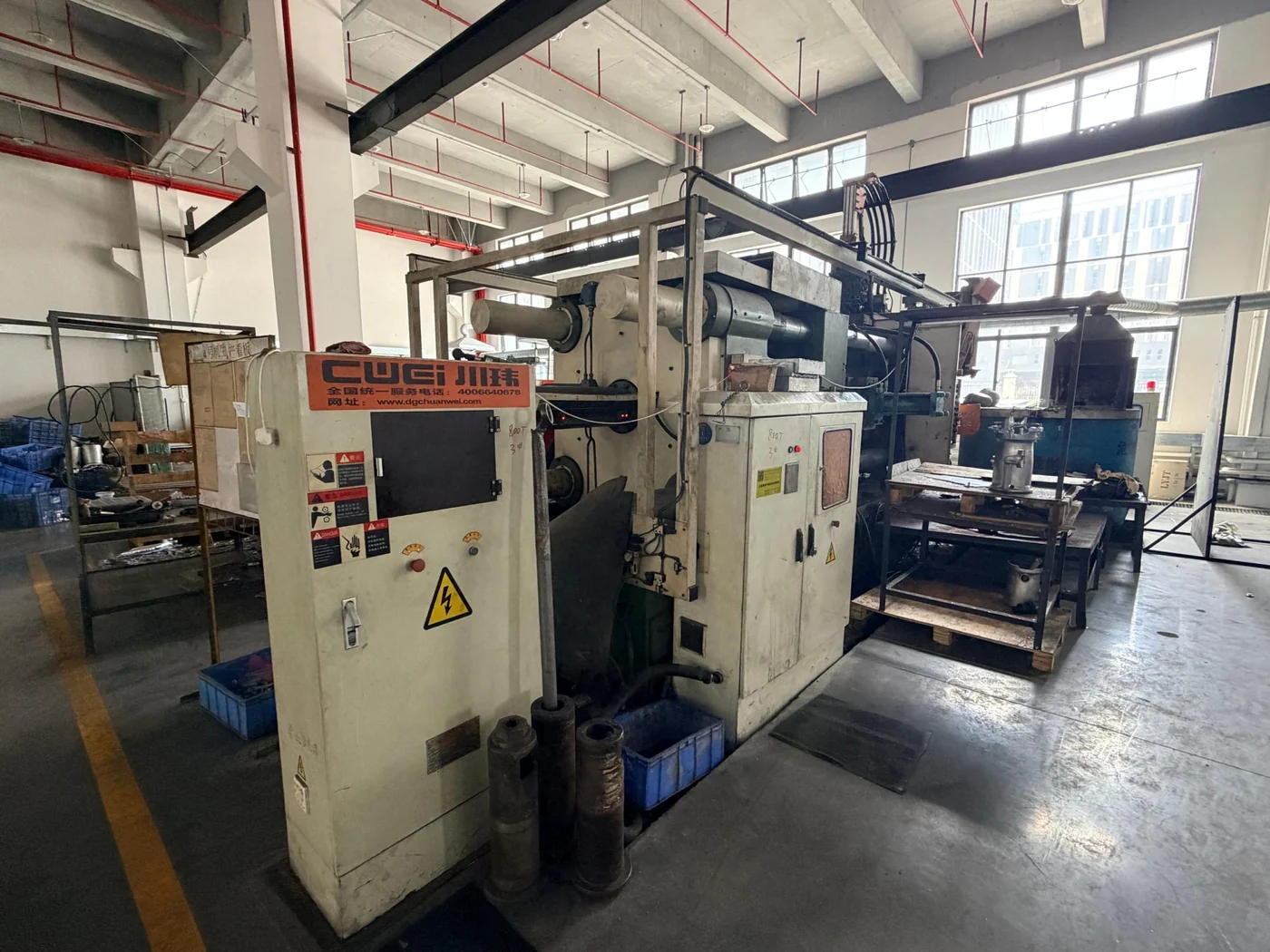
Coordinate the casting and secondary operations around the part you need to receive. The drawing, operating requirements and final delivery condition guide the manufacturing route.
Review tooling, critical interfaces, surface requirements and inspection before production.
Get in touchZinc is a candidate for intricate decorative hardware and functional integration. Aluminum can suit larger or weight-sensitive components after review. Confirm the selected finishing route, its implementation scope and the approved sample before production.
| Material or route | Typical consideration | Confirm for your project |
|---|---|---|
| Aluminum die casting | Housings, structural features and thermal components | Alloy grade, functional geometry, temperature and secondary machining |
| Zinc die casting | Compact detailed parts and suitable decorative applications | Mass, sustained load, service temperature and finish compatibility |
| Machined interfaces | Holes, mounting faces, threads and sealing features | Datums, tolerances, surface condition and measurement method |
| Surface finishing | Appearance and environmental protection | Approved sample, coating-free areas, final fit and applicable tests |

Review appearance samples, preparation, masking and the surfaces that must retain a functional fit. Define the relevant test conditions and acceptance criteria with the part requirements.
Review material and finish requirementsConnect each project requirement to the manufacturing step and evidence needed to confirm it.
Identify the functional features and agree how they will be checked against the drawing.
Keep the requirements and approved references available at the relevant project stage.
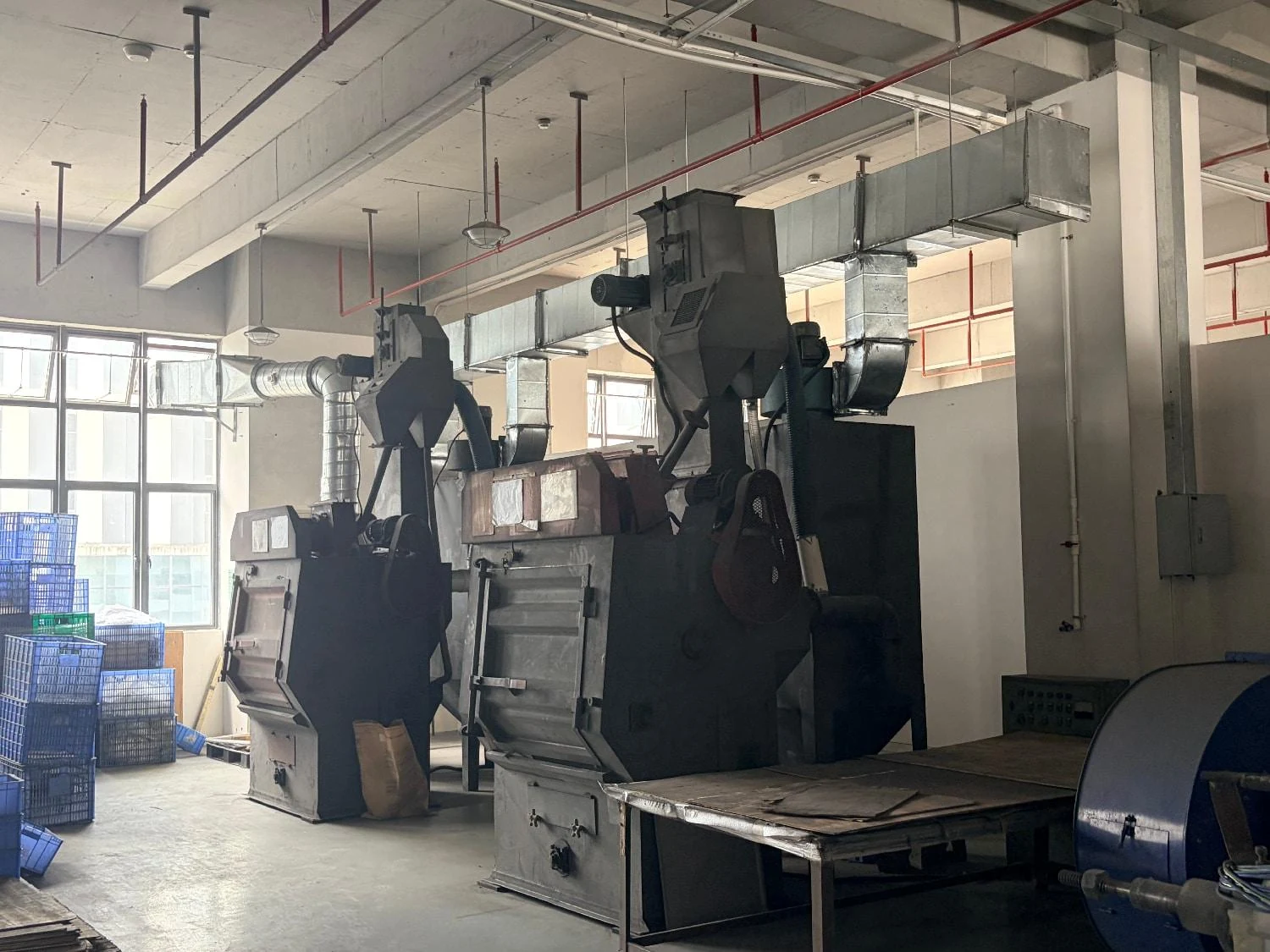
Review the operation and setup around the interfaces that affect your assembly.
Define what must be protected, finished or checked in the final delivered condition.

Confirm the part, sample or assembly inputs required for the agreed verification.
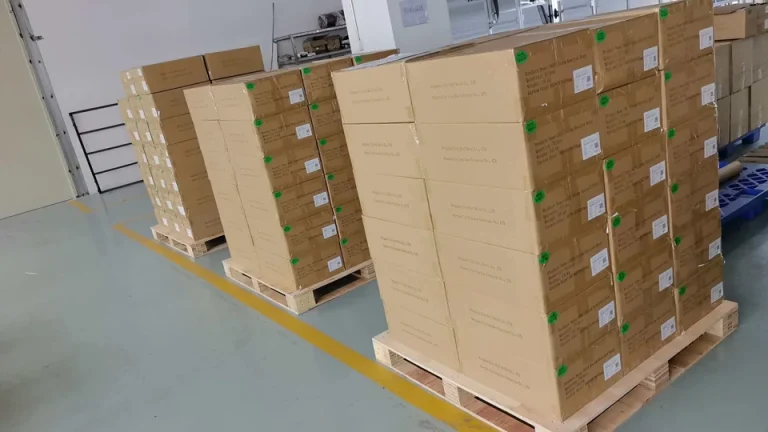
Match handling and packing to the geometry, surface and next assembly operation.
The inspection scope, records and delivery requirements are agreed for the specific part and its intended use.