Production requirements defined early
- Drawing revision and installation datums
- Critical characteristics and inspection scope
- Customer approval requirements
- Forecasts, batch size and launch timing


Keep your approved sample, production process and delivered part connected
01 · Engineering support
A bracket that fits during sampling still needs a controlled route into repeat production. Start with the drawing revision, installation datums and characteristics that affect your assembly. Link those features to the machining setup and the inspection record, so the same requirements follow the part from the first article to subsequent batches. For programs requiring PPAP or other customer approval, define the submission scope and production conditions early. The objective is a clear connection between the approved part, the process used to make it and the records supplied with it.
Discuss your requirements
02 · Engineering support
Porosity requirements should follow the function of each region. A pore near a sealing face, threaded hole or loaded mounting point may matter differently from one in a nonfunctional area. Before tooling, identify the surfaces that will be machined and the acceptance criteria that apply after machining. Where sealing is required, agree the medium, pressure, temperature and allowable leakage instead of relying on a general description such as pressure tight. This makes the casting, machining and verification plan easier to compare with your actual operating requirements.
Discuss your requirements
03 · Engineering support
A drawing revision is only one kind of project change. Tool repair, fixture adjustment, a new surface treatment or a transferred production route can also affect the part you approved. Establish which changes need your review, which characteristics must be checked again and how the first changed batch will be identified. For an existing project transfer, bring the current tool condition, sample history and open issues into the review. A visible change record helps purchasing, quality and engineering work from the same production status.
Discuss your requirementsReview housings, locating covers and supports around their installation interfaces. Confirm the load case, porosity acceptance and customer approval requirements for your part.
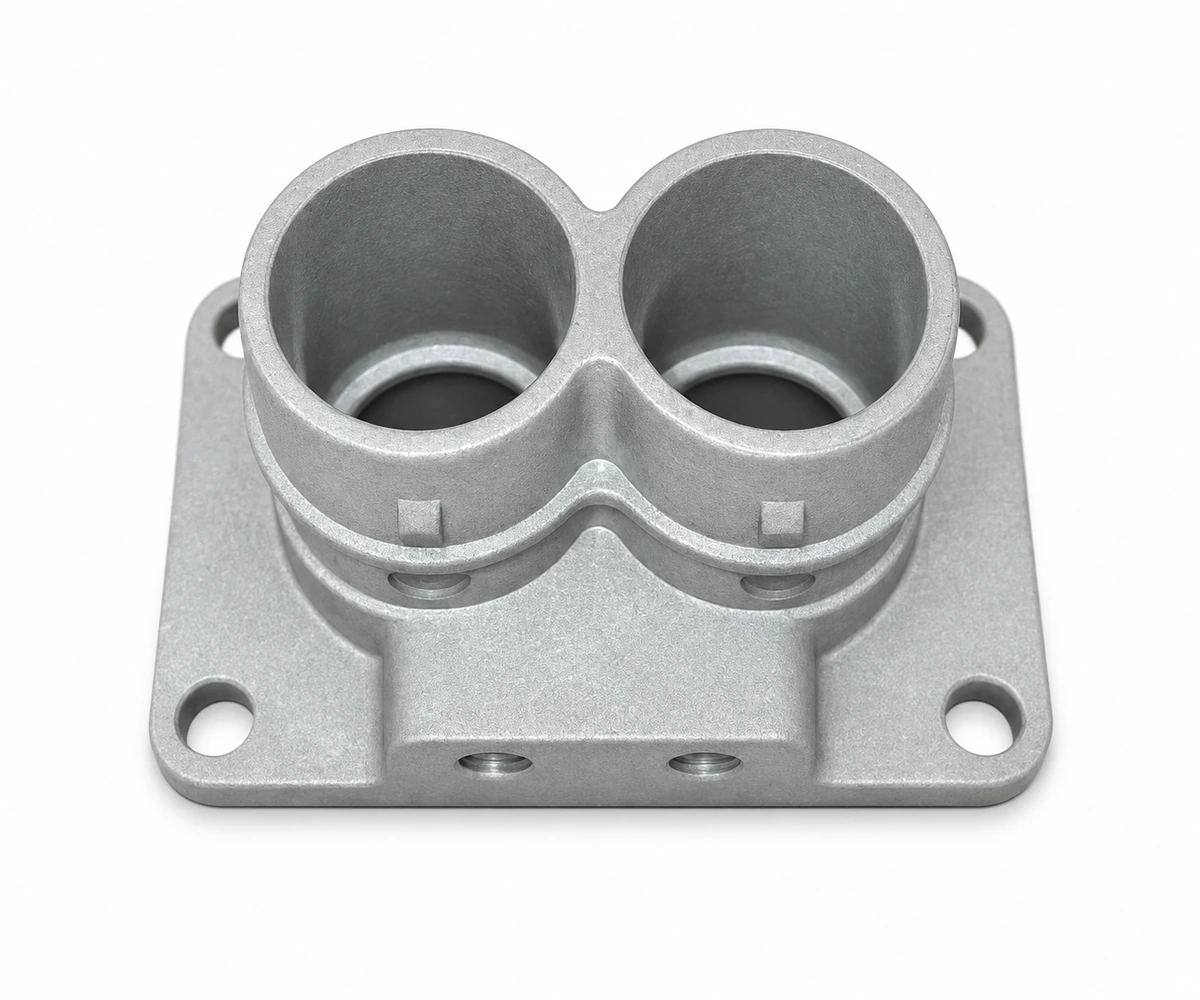
Support shaft or locating interfaces within a mechanical assembly.
Review: Bore alignment · mounting datums · machining stock
Explore this part family
Connect mating components through machined faces and bolt patterns.
Review: Related diameters · face geometry · sealing conditions
Explore this part family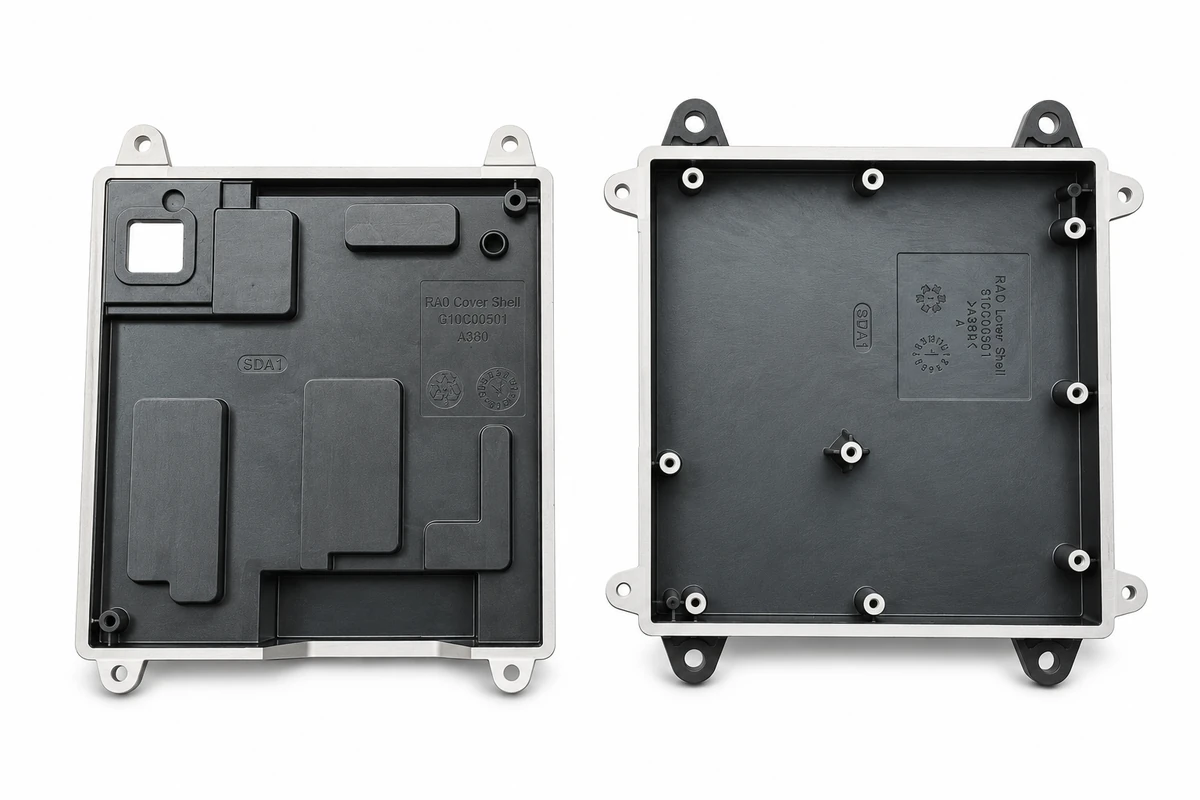
Provide a protective body with mounting and connector interfaces.
Review: Cover fit · opening positions · functional contact areas
Explore this part familyRepresentative component illustrations. Final geometry, alloy, finish and acceptance criteria are reviewed against your drawing and application.
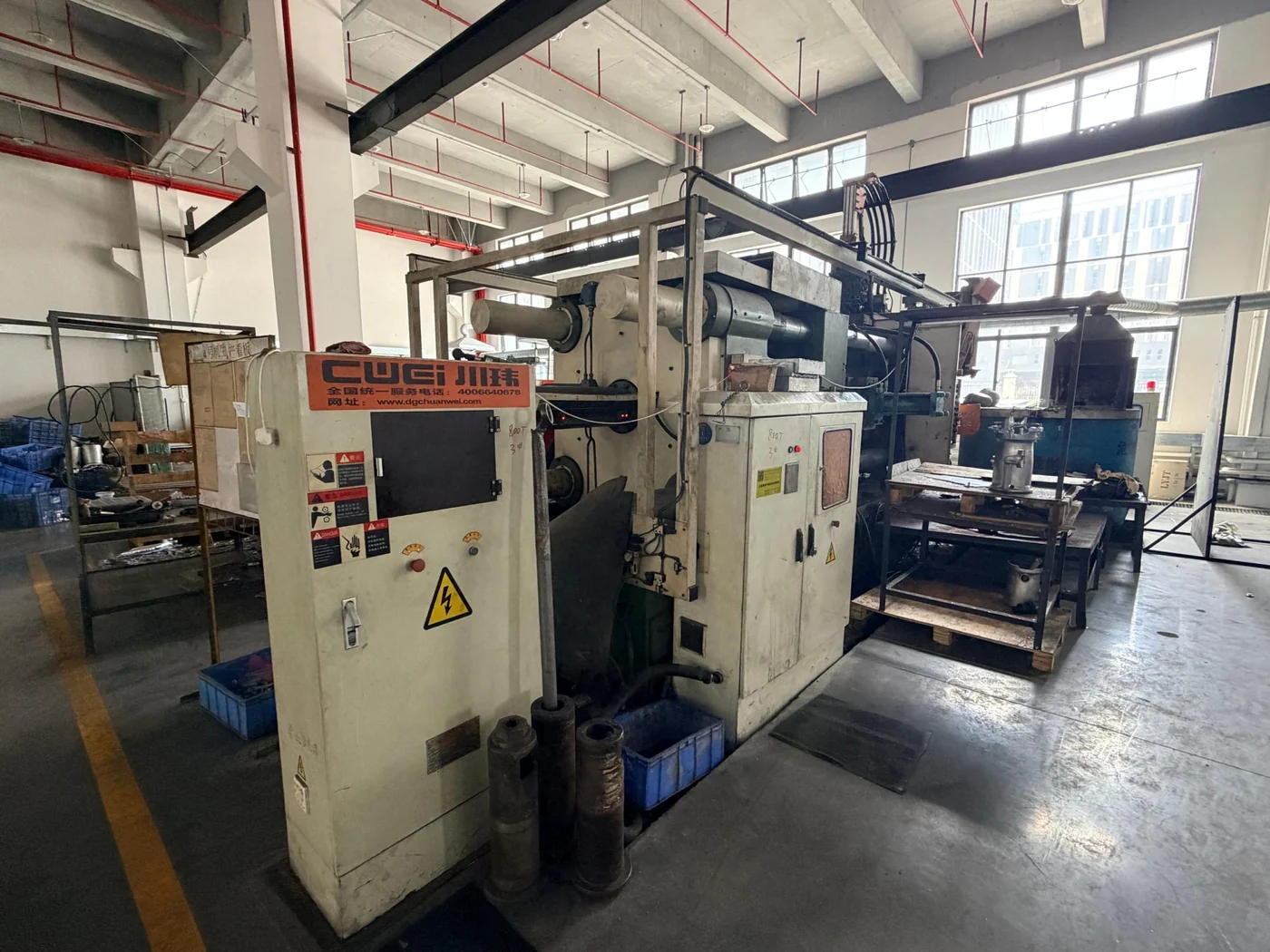
Coordinate the casting and secondary operations around the part you need to receive. The drawing, operating requirements and final delivery condition guide the manufacturing route.
Review tooling, critical interfaces, surface requirements and inspection before production.
Nehmen Sie Kontakt aufAluminum alloys can suit housings, thermal parts and weight-sensitive brackets. Zinc alloys may suit smaller intricate components where temperature, sustained load and weight permit. Select the exact grade and standard against your part requirements.
| Material or route | Typical consideration | Confirm for your project |
|---|---|---|
| Aluminum die casting | Gehäuse, structural features and thermal components | Alloy grade, functional geometry, temperature and secondary machining |
| Zinc die casting | Compact detailed parts and suitable decorative applications | Mass, sustained load, service temperature and finish compatibility |
| Machined interfaces | Holes, mounting faces, threads and sealing features | Datums, tolerances, surface condition and measurement method |
| Surface finishing | Appearance and environmental protection | Approved sample, coating-free areas, final fit and applicable tests |

Review appearance samples, preparation, masking and the surfaces that must retain a functional fit. Define the relevant test conditions and acceptance criteria with the part requirements.
Review material and finish requirementsConnect each project requirement to the manufacturing step and evidence needed to confirm it.
Identify the functional features and agree how they will be checked against the drawing.
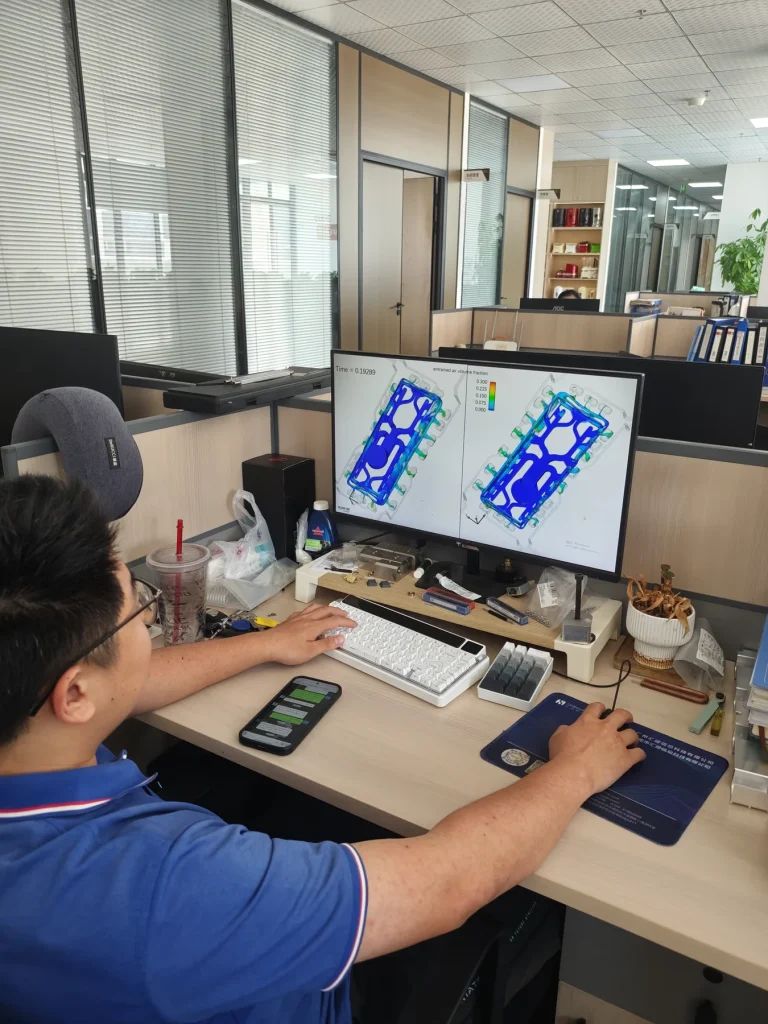
Keep the requirements and approved references available at the relevant project stage.
Review the operation and setup around the interfaces that affect your assembly.
Define what must be protected, finished or checked in the final delivered condition.
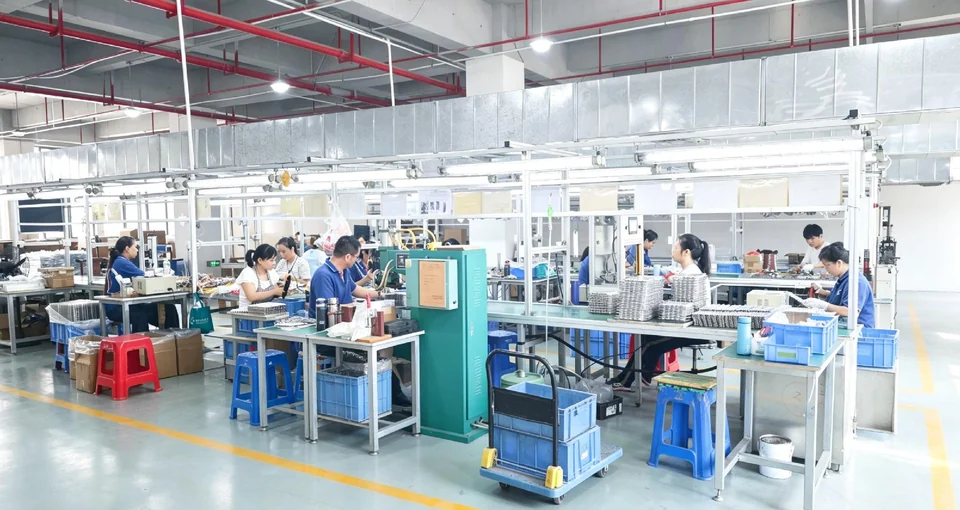
Confirm the part, sample or assembly inputs required for the agreed verification.
Match handling and packing to the geometry, surface and next assembly operation.
The inspection scope, records and delivery requirements are agreed for the specific part and its intended use.