Mechanical and heating requirements together
- Casting and heater installation points
- Lead exits and sensor positions
- Mating parts and assembly clearances
- Scope of supply defined by your drawing


Bring the casting, heater and assembly interfaces into one project review

01 · Engineering support
When the metal body and heater are specified separately, unresolved interfaces can move downstream to your assembly team. Review mounting points, lead exits, sensor locations and the assembly sequence together with the part geometry. A combined review is especially useful for cast heating bases, tubular elements and compact heater assemblies. Identify what will be delivered as an individual component and what can be supplied as an agreed assembly. Your sample should then answer the same fit and connection questions that will matter during production, rather than proving only that the separate parts can be made.
Discuss your requirements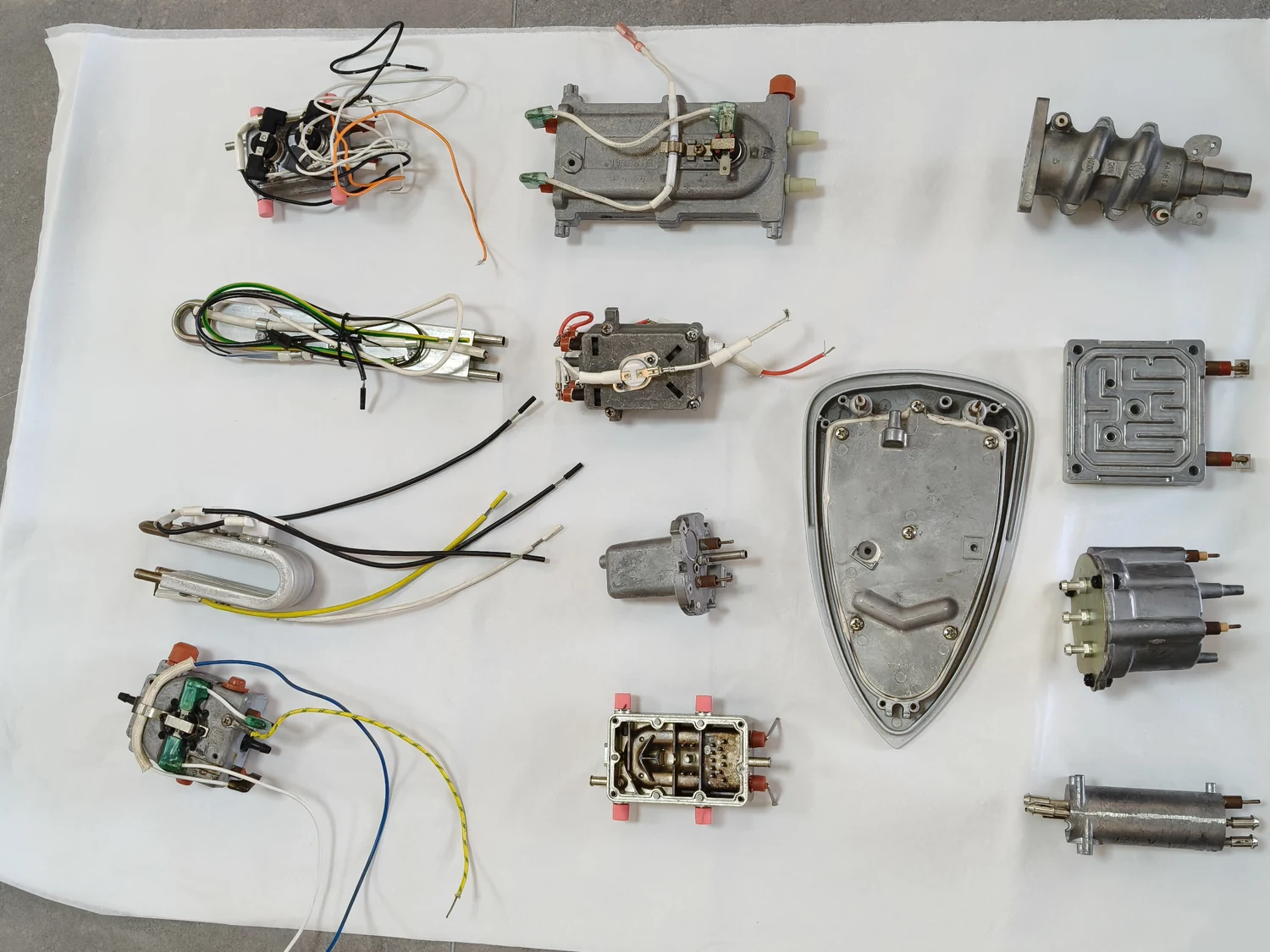
02 · Engineering support
A power rating alone does not describe the thermal performance of an appliance assembly. Bring the supply voltage, working medium, target temperature, heating time and operating cycle into the discussion, together with the location of sensors and controls. The sample plan should say where temperature is measured and under which installation conditions. Confirm the applicable electrical checks and report format for the supplied component. This gives both teams a defined basis for reviewing samples and makes any difference between a component test and your complete appliance validation visible.
Discuss your requirements
03 · Engineering support
A visible metal part needs a finish sample, an agreed viewing condition and protection through assembly and delivery. Mark the cosmetic areas early so gate positions, parting lines and subsequent finishing can be reviewed against them. At the same time, confirm which component documents apply to the exact model and operating conditions of your project. Component recognition or certification supports the final product assessment only within its stated scope. Keeping the appearance standard and documentation requirements attached to the approved sample helps avoid late uncertainty before product launch.
Discuss your requirementsReview the appliance body, heating component and cooking surface as distinct supplied items. Connect each one to installation, operating conditions and the agreed approval plan.

Support the motor, internal components and appliance mounting points.
Review: Assembly clearances · mounting features · visible finish
Explore this part familyBring a heated metal body, element connections and mounting features together.
Review: Voltage and power · thermal contact · electrical checks
Explore this part family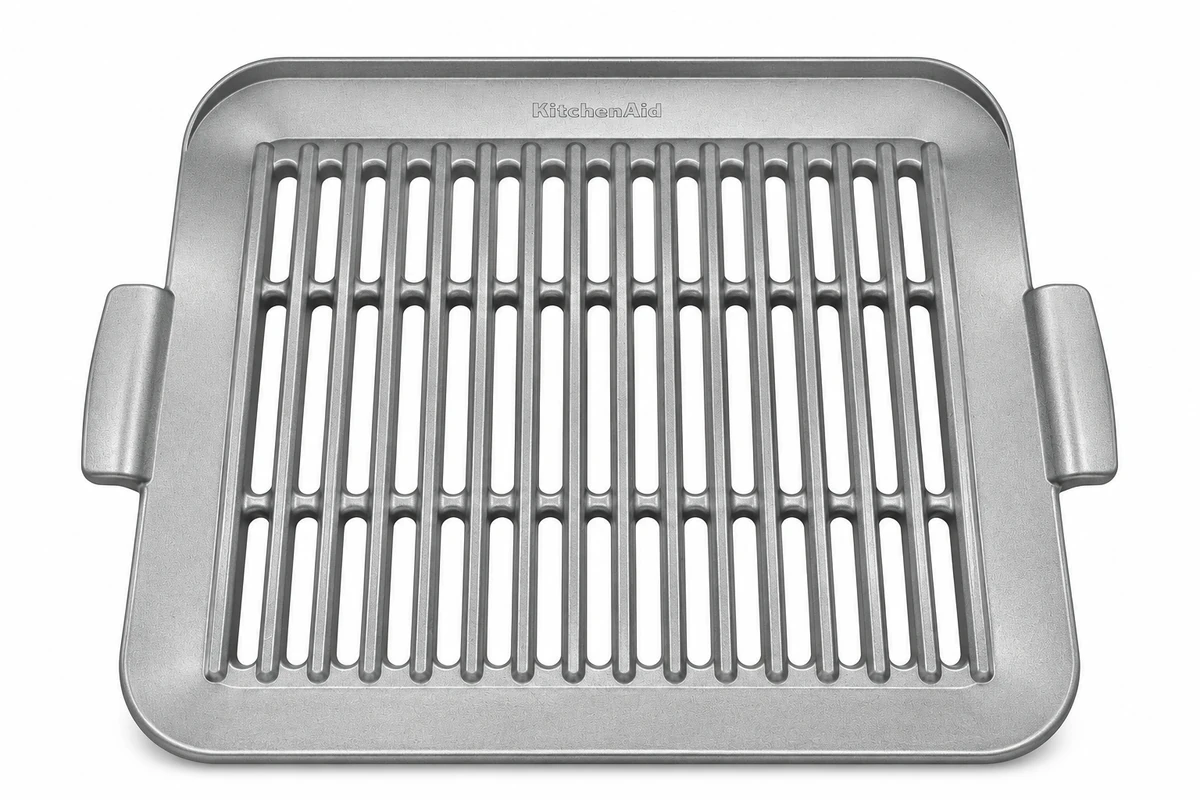
Provide the cooking surface and support geometry for the appliance.
Review: Working temperature · surface system · food-contact requirements
Explore this part familyRepresentative component illustrations. Final geometry, alloy, finish and acceptance criteria are reviewed against your drawing and application.
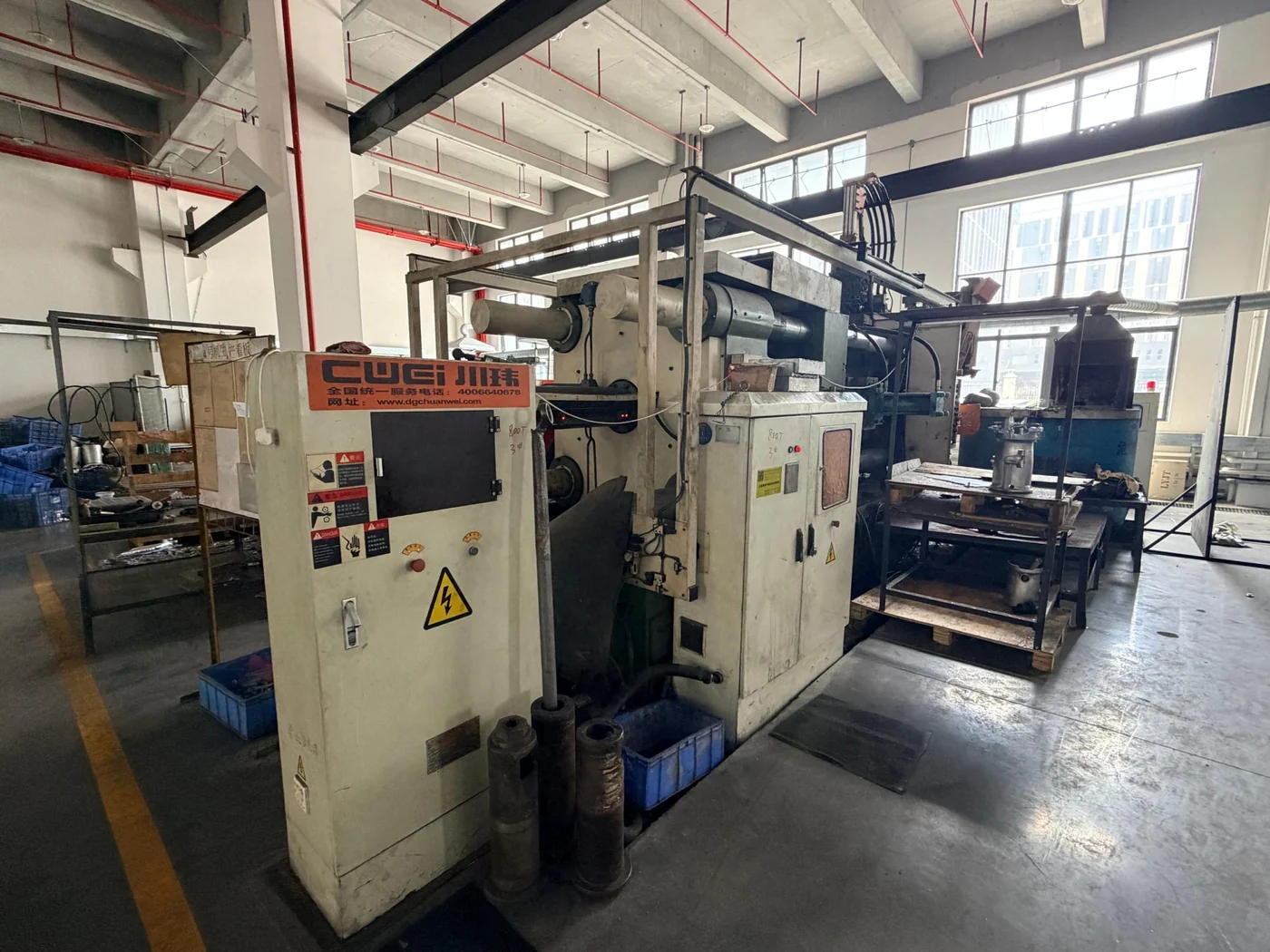
Coordinate the casting and secondary operations around the part you need to receive. The drawing, operating requirements and final delivery condition guide the manufacturing route.
Review tooling, critical interfaces, surface requirements and inspection before production.
Nehmen Sie Kontakt aufAluminum casting may combine structural and heat-transfer functions. Zinc casting can suit compact detailed or decorative components within suitable operating conditions. The alloy, heater arrangement, finish and assembly interfaces must be reviewed together.
| Material or route | Typical consideration | Confirm for your project |
|---|---|---|
| Aluminum die casting | Gehäuse, structural features and thermal components | Alloy grade, functional geometry, temperature and secondary machining |
| Zinc die casting | Compact detailed parts and suitable decorative applications | Mass, sustained load, service temperature and finish compatibility |
| Machined interfaces | Holes, mounting faces, threads and sealing features | Datums, tolerances, surface condition and measurement method |
| Surface finishing | Appearance and environmental protection | Approved sample, coating-free areas, final fit and applicable tests |

Review appearance samples, preparation, masking and the surfaces that must retain a functional fit. Define the relevant test conditions and acceptance criteria with the part requirements.
Review material and finish requirementsConnect each project requirement to the manufacturing step and evidence needed to confirm it.

Identify the functional features and agree how they will be checked against the drawing.
Keep the requirements and approved references available at the relevant project stage.

Review the operation and setup around the interfaces that affect your assembly.

Define what must be protected, finished or checked in the final delivered condition.
Confirm the part, sample or assembly inputs required for the agreed verification.
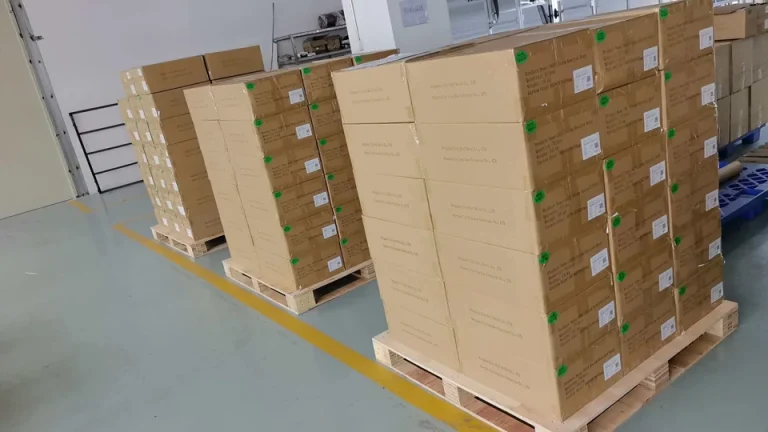
Match handling and packing to the geometry, surface and next assembly operation.
The inspection scope, records and delivery requirements are agreed for the specific part and its intended use.