 01
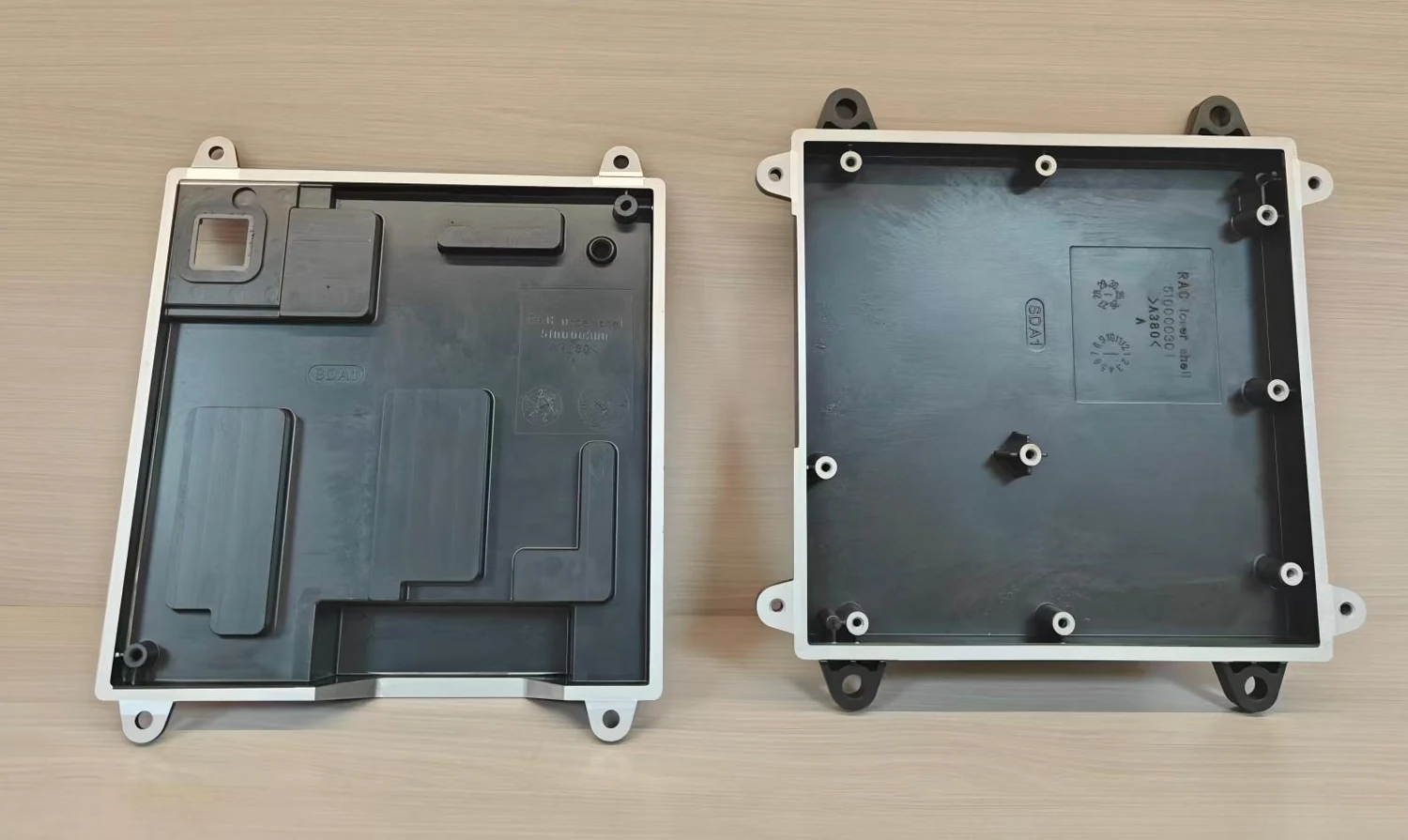
Sealing lands
Define the gasket arrangement, flatness, surface finish and leakage requirement. Keep the sealing specification tied to a test method.

Custom aluminum housings
Custom aluminum housings manufactured to your drawing, with machining and finishing planned around the component’s sealing, mounting and appearance requirements.
Function before form
01Define the gasket arrangement, flatness, surface finish and leakage requirement. Keep the sealing specification tied to a test method.
 02
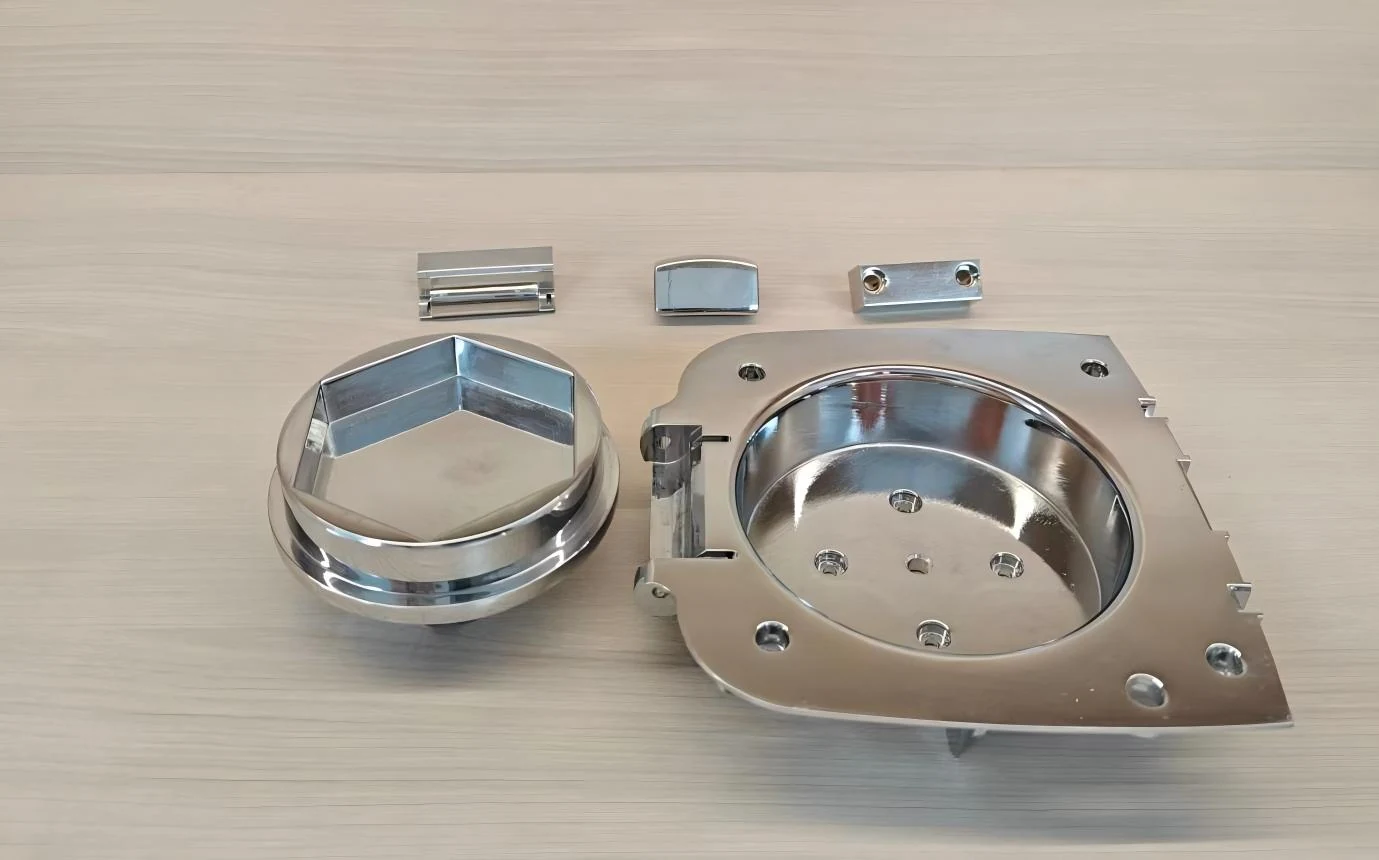
Identify datum faces, hole position, thread engagement and access for fasteners. These details drive the machining and fixture plan.
 03
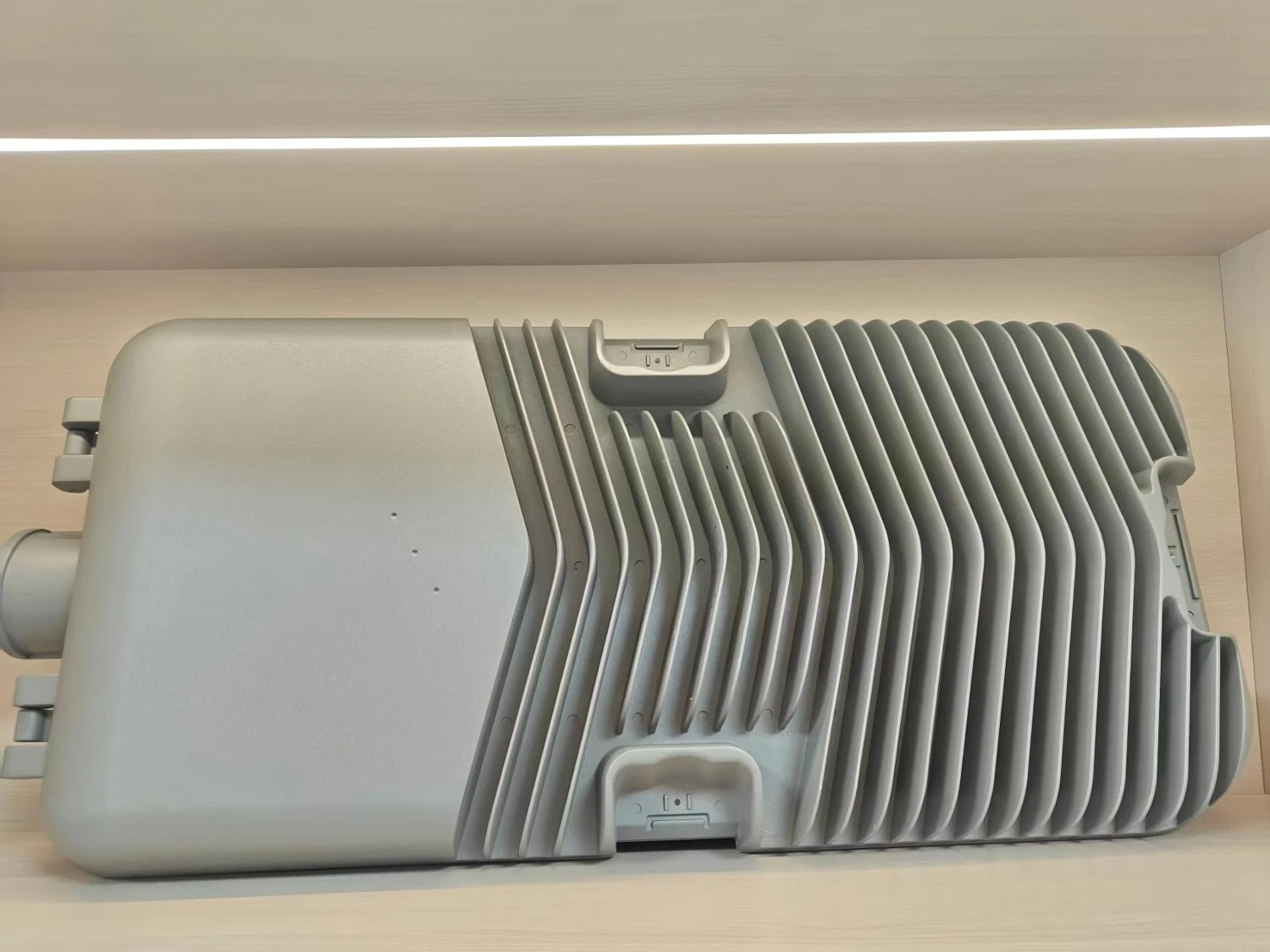
Review connector cutouts, local wall transitions and internal clearance with the tool concept before release.
Design context
A housing can satisfy its outside dimensions and still fail to assemble. Internal bosses, connector clearances, sealing lands and coating buildup need to be reviewed as a system. Provide the lid, gasket or mating-part context where it affects the manufacturing decision.
Specify the delivery
| Decision | Available discussion | What to confirm |
|---|---|---|
| As-cast geometry | Ribs, bosses, outer form and other feasible integrated features | Casting access, wall transitions and parting-line location. |
| Machined interfaces | Mating faces, bores, threads and mounting patterns | Drawing-defined datums, tolerances and finish. |
| Surface treatment | Preparation, passivation, powder or liquid coating | Cosmetic zones, masking and coating acceptance. |
| Delivery condition | Finished housing or agreed subassembly | Cleanliness, protection, labeling and packaging. |